June 23, 2026
Seasonal Shift: Designing a Mudroom for Ski-to-Bike Season
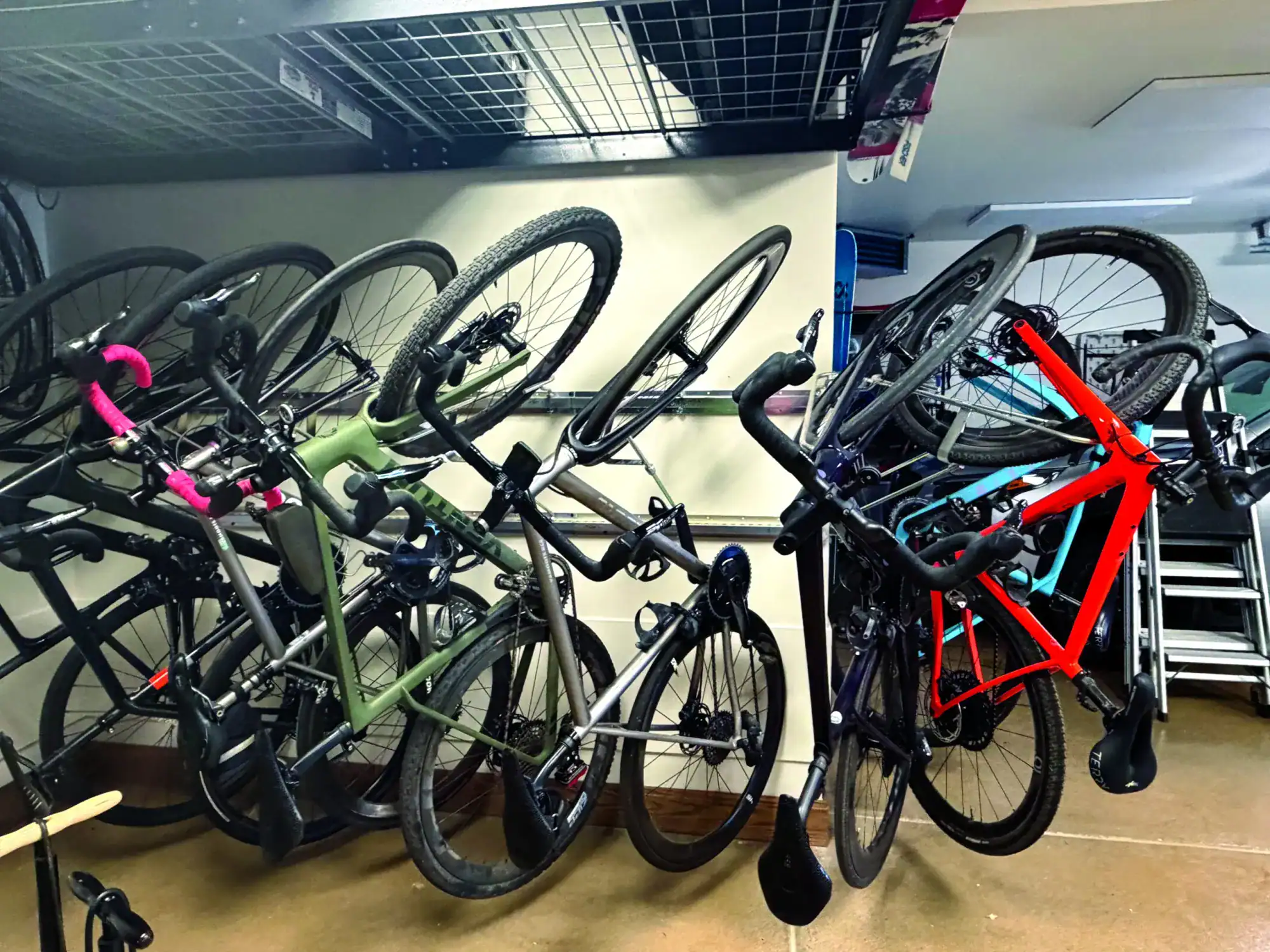
In mountain homes, the mudroom does a lot more than hold coats and shoes. It is the place where winter gear lands after a ski day, where wet boots need to dry, where helmets and gloves have to be easy to find, and where the first signs of spring bring a completely different kind of equipment into the house.
As ski season gives way to bike season, a well-designed mudroom can make the seasonal shift feel easier. The goal is not simply to store more. The goal is to create a space that supports the way your household actually moves through the day, from early-morning departures to muddy afternoon returns.
The most useful mudrooms are planned around change. In winter, the priority may be skis, poles, boots, mittens, goggles, and insulated outerwear. By spring and summer, that same space may need to handle bike helmets, hydration packs, shoes, repair kits, gardening supplies, and trail gear.
Before adding storage, look at what needs to rotate in and out. Seasonal items should not all compete for the same hooks, shelves, and floor space. A mudroom works best when everyday items stay within easy reach and out-of-season gear has a clear place to move.
A mudroom becomes easier to maintain when it is divided into zones. A drop zone gives each person a place for daily essentials like jackets, bags, keys, sunglasses, and shoes. A wet zone gives damp boots, snow-covered gear, and muddy shoes a place to dry without taking over the rest of the house. A storage zone keeps bulkier seasonal equipment organized and accessible when it is needed.
These zones do not have to be large. Even a small entry can function better when the purpose of each area is clear. Hooks, baskets, cubbies, benches, trays, and shelves all work harder when they are assigned to specific routines.
Mountain living brings moisture, grit, and heavy use into the home. Durable flooring is one of the most important choices in a mudroom. Slate, porcelain tile, and other hard-wearing surfaces can handle wet boots, bike tires, and the kind of daily traffic that would quickly wear down more delicate materials.
Walls need protection too. Wainscoting, shiplap, washable paint, or other durable wall treatments can help the space stay clean and polished even when gear brushes against the walls throughout the day. The easier the space is to wipe down, the easier it is to keep it looking intentional.
When floor space is limited, walls are valuable. Slatwall, pegboard, adjustable shelving, and well-placed hooks allow storage to shift as the seasons change. Ski gear and winter accessories can give way to helmets, packs, bike tools, and outdoor accessories without requiring a full redesign.
Vertical storage also keeps floors clearer, which makes the room easier to clean and easier to move through. This is especially important in a busy household where more than one person may be arriving, unloading, and heading back out at the same time.
A mudroom should be simple enough for everyone to use. Labeled cubbies, bins, and shelves reduce the number of decisions required to put things away. When each person has a place for their gear, and each category has a clear home, the system is more likely to last.
This is especially helpful during seasonal transitions, when items tend to pile up because no one is quite sure where they belong. Labels create a gentle structure that keeps the space from becoming a catchall.
Bike season introduces a different set of storage needs. Helmets, gloves, shoes, hydration packs, locks, pumps, and tools all need to be easy to grab. If bikes are stored near the mudroom, wall-mounted racks or dedicated bike storage can keep them secure without blocking walkways.
Thinking ahead prevents the spring scramble. When winter gear is edited and stored intentionally, there is room for the next season before it takes over the entryway.
The best organizing systems are the ones that match daily habits. If everyone drops shoes by the door, that spot needs a durable tray or a built-in place for footwear. If backpacks land on the floor, hooks may need to be lower or easier to reach. If wet gear spreads across the house, the mudroom needs better airflow, hanging space, or a more obvious drying area.
Design is most successful when it removes friction. A thoughtful mudroom does not ask your household to behave perfectly. It gives everyone a place to land, reset, and head back out with less stress.
A mudroom that works from ski season to bike season is flexible, durable, and easy to maintain. It makes room for the rhythms of mountain living and keeps everyday gear from spreading through the rest of the home.
With the right zones, materials, and storage systems, the mudroom can become one of the hardest-working and most appreciated spaces in the house.