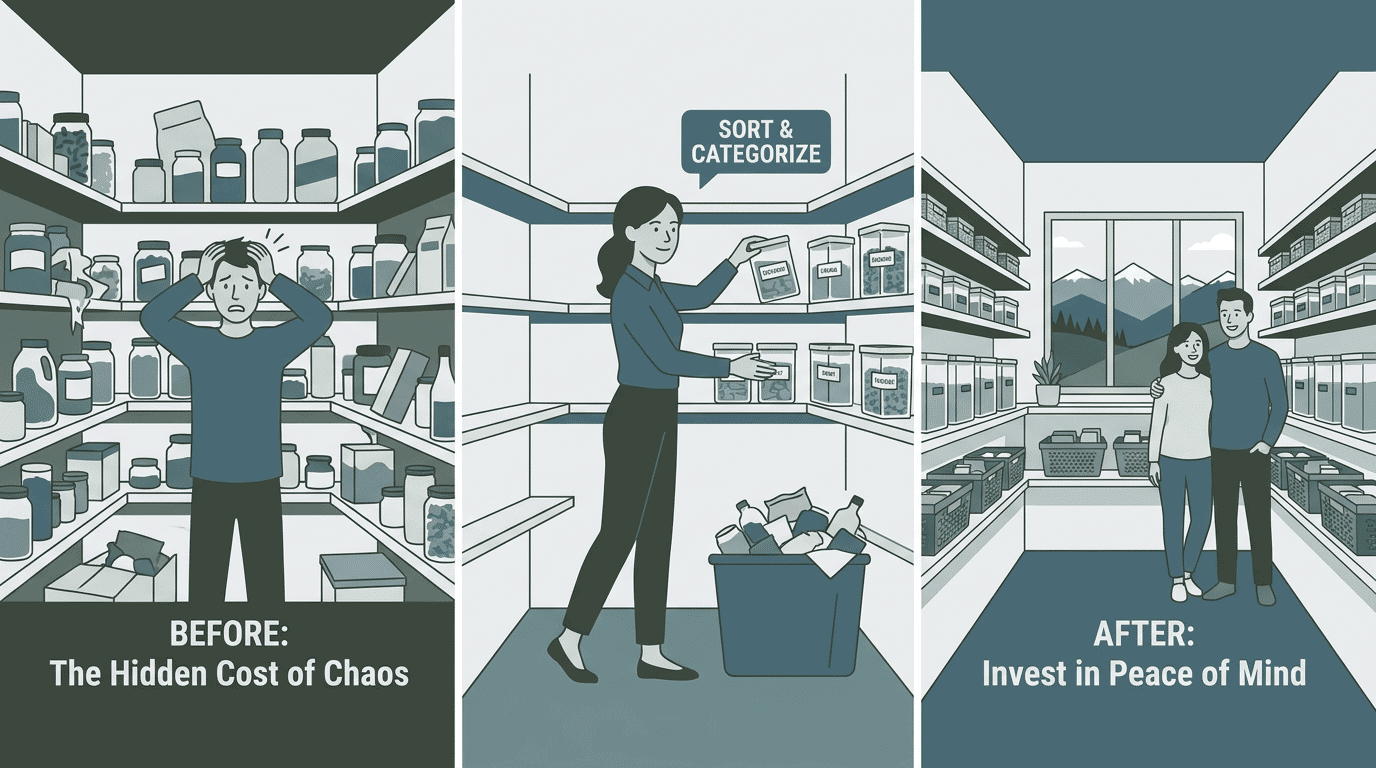
Why Park City Homeowners Are Investing in Pantry Organization This Season
Spring cleaning has evolved. Across Park City, Utah, homeowners are moving beyond surface-level tidying and investing in professional pantry organization services that transform one of the home’s most-used spaces into a functional, stress-free zone. With rising food costs and a growing emphasis on reducing waste, an organized pantry isn’t just aesthetically pleasing—it’s a practical solution that saves time, money, and mental energy.
If you’ve ever stood in front of your pantry feeling overwhelmed by expired items, duplicate purchases, or the inability to find what you need, you’re not alone. The good news? Organized to Live Well specializes in creating pantry systems that work with your lifestyle, not against it.
The Hidden Cost of Pantry Chaos
Most people don’t realize how much a disorganized pantry impacts daily life. Beyond the frustration of searching for ingredients, pantry clutter creates a ripple effect:
Financial waste: The average household throws away approximately $1,500 worth of food annually, much of it due to items getting lost in the back of shelves or expiring unnoticed.
Decision fatigue: Starting each meal with a chaotic pantry adds unnecessary stress to an already busy day.
Duplicate purchases: Without clear visibility of what you own, you’re likely buying items you already have at home.
Time drain: Searching through cluttered shelves can add 10-15 minutes to meal preparation—time that adds up quickly over weeks and months.
A professional pantry organization service addresses these issues systematically, creating solutions tailored to how you actually use your space.
What’s Driving the Pantry Organization Trend?
Several factors have converged to make pantry organization a priority for homeowners:
Post-Pandemic Lifestyle Shifts
More families are cooking at home regularly, which means pantries are working harder than ever. Bulk buying became common during supply chain disruptions, and many households now maintain larger inventories. Without proper systems, these well-intentioned stockpiles become overwhelming.
The Wellness Connection
Mental health professionals increasingly recognize the link between physical environment and emotional well-being. A cluttered pantry contributes to background stress that many people don’t consciously register but feel throughout their day. Creating calm, organized spaces has become part of a holistic approach to wellness.
Real Estate Market Considerations
Homeowners preparing to sell are discovering that an organized pantry is a powerful selling point. Potential buyers notice these details during showings, and a well-organized pantry suggests the entire home has been well-maintained. Professional staging often includes pantry organization as a key component.
Sustainability Goals
Reducing food waste aligns with environmental values many families hold. An organized pantry makes it easier to practice “first in, first out” rotation, plan meals around existing inventory, and make conscious purchasing decisions.
What Professional Pantry Organization Actually Involves
A professional pantry organization service goes far beyond simply rearranging items. Here’s what the process typically includes:
Assessment and Planning
Every pantry is different, and every household has unique needs. The process begins with understanding how you shop, cook, and use your space. Do you buy in bulk? Do you have dietary restrictions that require separate storage? How many people are accessing the pantry daily?
Complete Decluttering
Everything comes out. This step reveals expired items, duplicates, and things you forgot you owned. It’s also an opportunity to assess what you actually use versus what’s taking up valuable space. The “use it or lose it” philosophy applies perfectly here—if you haven’t touched something in a year, it’s time to let it go.
Strategic Categorization
Items are grouped logically: baking supplies together, breakfast items in one zone, snacks in another. This creates predictability—you’ll always know where to find what you need and where to put things away.
Functional Storage Solutions
The right containers, labels, and shelving configurations make maintenance effortless. Clear containers let you see inventory at a glance. Lazy Susans maximize corner space. Tiered shelving brings items forward so nothing gets lost in the back.
Personalized Systems
A pantry system only works if it matches your habits. If you’re not someone who’ll maintain elaborate labeling, the system should be simple and intuitive. If you have young children, frequently-used items should be accessible to them.
The Park City Advantage: Local Expertise Matters
Working with a local professional who understands Park City homes makes a significant difference. Mountain homes often have unique architectural features—pantries tucked under staircases, narrow but deep storage spaces, or vintage homes with limited built-in storage. A local expert knows how to maximize these spaces effectively.
Additionally, understanding the local lifestyle—from ski season entertaining to summer outdoor cooking—means creating systems that adapt to seasonal needs.
Beyond Organization: The Emotional Transformation
Clients consistently report that the benefits extend far beyond the physical space. There’s a sense of relief that comes from opening your pantry and immediately seeing what you have. Meal planning becomes simpler. Grocery shopping becomes more efficient. The mental load lightens.
For those going through life transitions—downsizing, blending households, or adjusting to an empty nest—the pantry often becomes a microcosm of larger changes. Having support through this process, with someone who approaches the work with compassion and without judgment, makes the experience manageable rather than overwhelming.
Maintaining Your Organized Pantry
Professional organization creates the foundation, but simple habits keep it functional:
- Return items to their designated spots after each use
- Do a quick inventory before grocery shopping
- Check expiration dates monthly
- Reassess your system seasonally as needs change
- Involve all household members in maintaining the system
The goal isn’t perfection—it’s creating a space that serves you well with minimal effort.
Ready to Transform Your Pantry?
If you’re tired of pantry chaos and ready for a space that actually works for your life, professional help is available. Organized to Live Well brings compassionate, practical expertise to every project, respecting your privacy while creating systems that bring lasting peace of mind.
The investment in a pantry organization service pays dividends in reduced stress, saved money, and reclaimed time—benefits you’ll experience every single day.
Schedule your consultation today and take the first step toward a pantry that supports your life rather than complicates it.
Frequently Asked Questions
How long does a typical pantry organization project take?
Most pantry projects take 3-6 hours depending on the size of the space and the amount of decluttering needed. Larger walk-in pantries or spaces requiring significant sorting may take a full day. The process includes removing everything, cleaning, categorizing, and implementing new systems with proper storage solutions.
Do I need to buy containers and organizing products before the appointment?
No. It’s actually better to wait until after the assessment. A professional can evaluate your specific space, inventory, and needs before recommending products. This prevents wasting money on containers that don’t fit your shelves or don’t match how you actually use your pantry. You’ll receive guidance on exactly what will work best.
Will I need to be present during the entire organization process?
Initial consultation and decision-making about what to keep, donate, or discard requires your input. However, many clients prefer to step away during the physical organizing phase and return to a completed space. The approach is flexible based on your comfort level and schedule. Some people find the process therapeutic and want to participate fully, while others prefer to trust the professional and see the final result.